
Cost-Effective Laboratory Vacuum Pumps for Singapore Labs: Vacuum Pump Cost Analysis

Laboratory vacuum pumps play a crucial role in many scientific and industrial processes. Selecting the right vacuum pump involves balancing performance, reliability, and cost. In Singapore, where space and budget constraints are common, finding cost-effective solutions is essential. This article provides a detailed vacuum pump cost analysis to help labs make informed decisions.
Understanding Vacuum Pump Cost Analysis
Vacuum pump cost analysis involves evaluating the initial purchase price, operating costs, maintenance expenses, and expected lifespan. These factors determine the total cost of ownership and influence the choice of vacuum pumps for laboratories.
Initial Purchase Price: This is the upfront cost of the vacuum pump. It varies based on pump type, capacity, and brand.
Operating Costs: Includes electricity consumption and consumables like oil or filters.
Maintenance Expenses: Regular servicing, parts replacement, and potential repairs.
Lifespan: A longer lifespan reduces the frequency of replacement, lowering long-term costs.
By analyzing these components, labs can identify vacuum pumps that offer the best value without compromising performance.
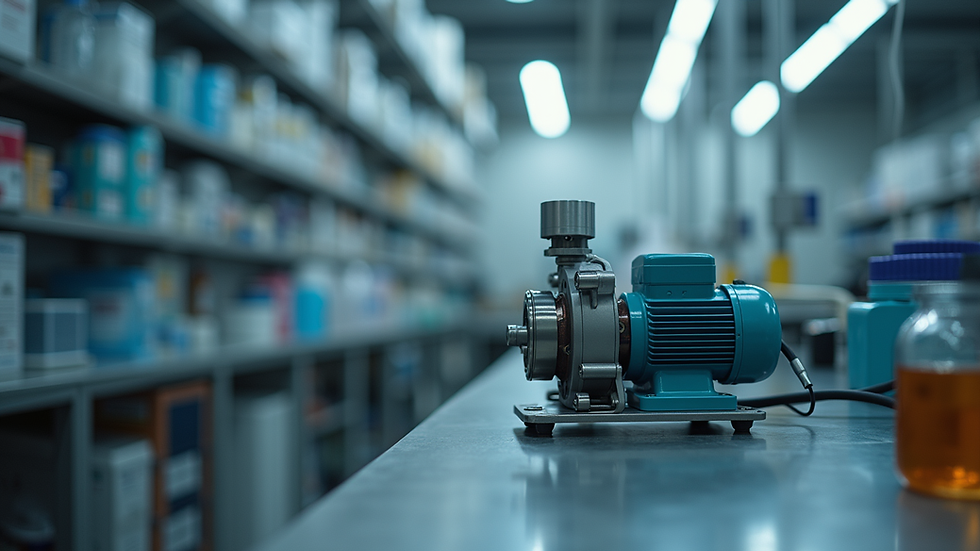
Key Factors Affecting Vacuum Pump Cost
Several factors influence the cost of laboratory vacuum pumps. Understanding these helps in selecting the most cost-effective option.
Pump Type
Different types of vacuum pumps serve various applications. Common types include:
Rotary Vane Pumps: Suitable for general laboratory use, offering moderate vacuum levels at reasonable prices.
Diaphragm Pumps: Oil-free and low maintenance, ideal for applications requiring clean vacuum.
Scroll Pumps: Provide oil-free vacuum with low noise but come at a higher price.
Dry Pumps: Require minimal maintenance but have higher initial costs.
Choosing the right pump type depends on the specific laboratory application and budget constraints.
Capacity and Performance
Vacuum pumps are rated by their pumping speed, usually in cubic feet per minute (CFM) or liters per second (L/s). Higher capacity pumps cost more but handle larger volumes or faster processes. Selecting a pump with the appropriate capacity avoids overspending on unnecessary power.
Energy Efficiency
Energy-efficient pumps reduce operating costs. Look for models with low power consumption and features like automatic shutoff or variable speed control. These reduce electricity bills and environmental impact.
Maintenance Requirements
Pumps with simple maintenance routines and readily available parts reduce downtime and service costs. Oil-free pumps often require less maintenance but may have higher upfront costs.
Brand and Warranty
Reputable brands may charge premium prices but offer better reliability and support. Warranty terms also affect long-term costs by covering repairs or replacements.
What is the price of a 12 CFM vacuum pump?
A 12 CFM vacuum pump is a common choice for many laboratory applications. Prices vary based on type, brand, and features.
Rotary Vane Pumps: Typically range from SGD 1,200 to SGD 2,500.
Diaphragm Pumps: Usually priced between SGD 1,500 and SGD 3,000.
Scroll Pumps: Can cost SGD 3,000 to SGD 5,000 or more.
Dry Pumps: Often exceed SGD 4,000 depending on specifications.
These prices reflect the initial purchase cost. Operating and maintenance expenses should also be considered for a complete cost analysis.

How to Choose Cost-Effective Vacuum Pumps for Singapore Labs
Selecting a vacuum pump that fits budget and performance needs requires a strategic approach.
Assess Application Needs
Identify the vacuum level, capacity, and cleanliness required. Avoid over-specifying capacity to save costs.
Compare Total Cost of Ownership
Look beyond purchase price. Calculate expected energy use, maintenance, and lifespan costs.
Consider Space and Noise Constraints
Singapore labs often have limited space. Compact, quiet pumps may cost more but improve working conditions.
Evaluate Supplier Support
Choose suppliers offering reliable after-sales service and easy access to spare parts.
Review Energy Efficiency
Opt for energy-saving models to reduce long-term operating expenses.
Check for Compliance and Certifications
Ensure pumps meet local safety and environmental standards.
By following these steps, labs can select vacuum pumps that deliver value and reliability.
Practical Tips to Reduce Vacuum Pump Costs
Reducing costs does not always mean buying the cheapest pump. Consider these practical tips:
Regular Maintenance: Preventive maintenance extends pump life and avoids costly repairs.
Use Appropriate Accessories: Filters and traps protect pumps from damage.
Optimize Usage: Turn off pumps when not in use to save energy.
Train Staff: Proper operation reduces wear and tear.
Lease or Rent: For short-term projects, renting pumps can be more economical.
Implementing these measures helps control expenses while maintaining performance.
Final Thoughts on Vacuum Pump Cost Management
Managing vacuum pump costs requires a balance between upfront investment and ongoing expenses. By conducting a thorough vacuum pump cost analysis, labs in Singapore can identify solutions that meet their operational needs without overspending. Prioritize pumps that offer reliability, efficiency, and ease of maintenance.
For detailed information on laboratory vacuum pump prices, consult trusted suppliers and compare options carefully. This approach ensures labs maintain high standards while optimizing their budgets.


